Hydrogen Station Challenge

Owen Murphy
| 08-06-2026
 · Vehicle Team
Hydrogen-powered vehicles are often viewed as a promising low-emission transportation technology.
They offer quick refueling times and long driving ranges, making them attractive for applications where battery charging may be less practical.
However, the limited availability of hydrogen refueling stations remains a major barrier to wider adoption.
Complex Infrastructure Requirements
Unlike conventional fuels, hydrogen requires specialized equipment for storage, compression, and dispensing. Stations must be designed to handle high-pressure fuel safely while maintaining reliability and efficiency. These technical requirements make hydrogen infrastructure more complex than many existing fueling systems.
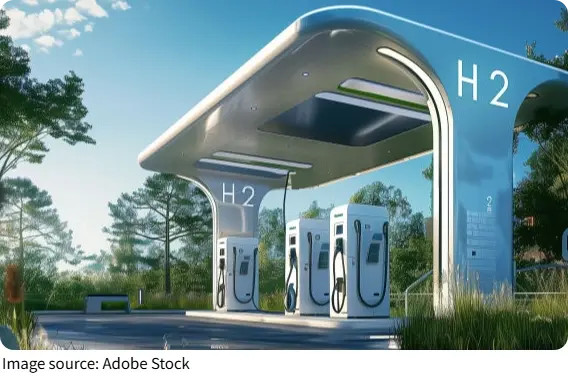
The Investment Challenge
Building a hydrogen station requires substantial upfront capital. Beyond construction, operators must account for equipment maintenance, fuel delivery, and operational expenses. Because the number of hydrogen vehicles remains relatively small, investors may hesitate to fund new stations until demand increases, creating a difficult cycle for market growth.
Supply and Distribution Obstacles
Producing hydrogen is only part of the challenge. The fuel must also be transported and stored efficiently before reaching consumers. Depending on the production method and location, distribution can require additional infrastructure, adding complexity to the overall supply chain.
Building Consumer Confidence
Drivers are more likely to adopt new technologies when refueling options are convenient and predictable. A limited station network can create concerns about trip planning and vehicle practicality. Expanding coverage is therefore essential for improving consumer confidence and encouraging broader acceptance.
Safety and Operational Standards
Hydrogen is a highly flammable gas, making strict safety standards essential. Modern refueling stations use advanced monitoring systems, leak detection technology, and automated safety controls to reduce risk. Maintaining high safety standards is critical for both operational reliability and public trust.
Policy and Industry Support
The expansion of hydrogen infrastructure often depends on collaboration between governments, energy providers, infrastructure developers, and vehicle manufacturers. Funding programs, research initiatives, and supportive regulations can help accelerate development and reduce barriers to investment.
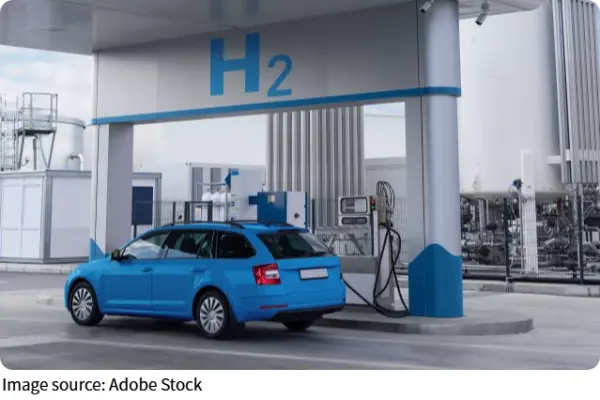
The future of hydrogen transportation depends not only on vehicle technology but also on the availability of reliable refueling infrastructure. Technical complexity, high costs, distribution challenges, and limited station coverage continue to slow adoption. Overcoming these barriers will require coordinated investment and long-term planning, but successful infrastructure development could make hydrogen an important part of the evolving transportation landscape.